If you have been told that small changes can matter, here is a reason: one in ten individuals will experience carpal tunnel syndrome at some point in their lives, and in 2026 more people are tightening their desk setup specifically to support recovery routines.

Key Takeaways
| What to know about 4mm thickness | Why it matters for recovery |
|---|---|
| 4mm mat thickness changes contact and pressure | It can reduce harsh pressure under wrists during typing and mouse use, supporting comfort while you recover. |
| Stability beats softness | A grippy base helps you avoid micro-slides that can trigger extra wrist strain. |
| Pair it with wrist-friendly positioning | Mat thickness helps, but posture (neutral wrist, elbow support) drives most of the benefits. |
| Choose the right deskmat desk mat deskpad layout | The mat should visually separate your workstation and support your hand movements consistently. |
| Maintenance affects comfort over time | A clean, intact surface helps the mat keep its feel and grip, so your setup stays predictable. See care and maintenance for desk mats. |
| In 2026, noise comfort is part of ergonomics | Smoother, quieter typing can reduce distraction-related tension during long sessions. Browse desk mat benefits. |
Why “thickness” matters when your wrists are recovering
How a 4mm mat thickness impacts carpal tunnel recovery comes down to a simple chain: comfort at contact points influences how often you unconsciously tense your wrist and hand. When the surface feels harsh or unstable, your brain often compensates by tightening, bending, or changing grip pressure.
A deskmat desk mat deskpad is not just decoration. It is a practical, physical layer that can help you maintain a steadier wrist angle while you type, scroll, and move the mouse. A 4mm thickness usually sits in the “noticeable cushion” zone, where you can feel a difference without turning your wrist into a supported but elevated platform.
- Contact pressure: Extra cushioning can reduce pressure from repeated contact during mouse use and keyboard reach.
- Motion control: If the mat grips well, you get fewer micro-adjustments that tug the wrist.
- Consistency: A stable surface helps you keep the same hand placement from one work block to the next.
And because recovery is not only about pain, it is about function, the “small comfort” you notice during the day can shape how you use your hand later. That matters when you are balancing work with therapy.
How a 4mm mat thickness affects pressure under the wrist and forearm
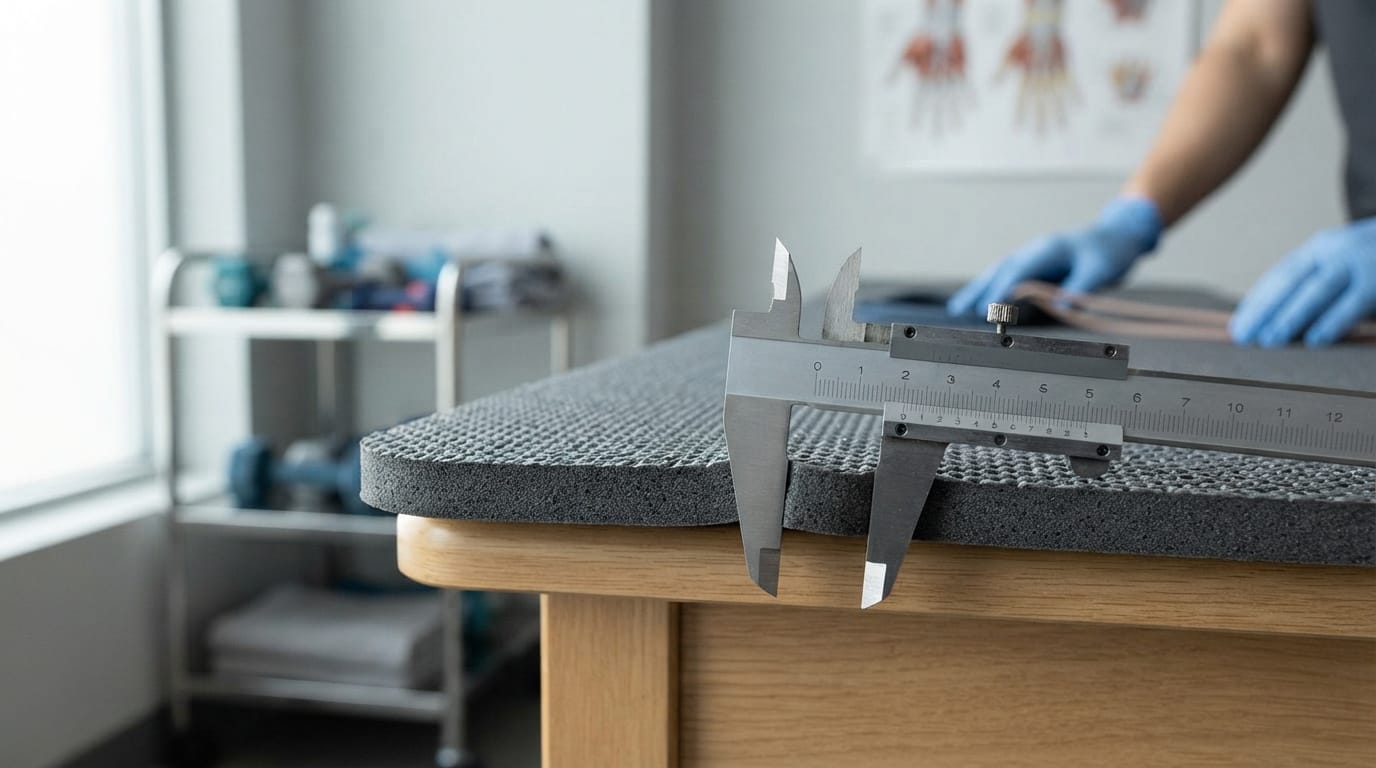
When people ask how a 4mm mat thickness impacts carpal tunnel recovery, they usually mean “will it take the sting out?” In practice, thickness changes the feel of your working posture. A 4mm mat thickness often adds enough softness to reduce the “hard desk” sensation, especially for wrists that brush the edge of the work surface.
At the same time, too much lift can be an issue for some setups. If a thicker mat raises your hands higher than your keyboard and mouse plan, you may end up with a wrist angle that is not neutral. With a 4mm mat thickness, most people find that the benefit is easier to tune because the change is measurable, but not extreme.
| Mat feel you notice | What it can mean for recovery |
|---|---|
| Wrists feel less “beat up” by the desk | Lower contact pressure can reduce compensatory tightening during long sessions. |
| You can keep the same mouse grip without sliding | Stability can limit micro-movements that strain the wrist. |
| Your wrist angle feels easier to keep straight | A balanced thickness helps you sustain wrist-friendly positioning throughout work blocks. |
For many users, the deskmat desk mat deskpad effect is also psychological. When you feel supported, you tend to relax your grip and stop “hovering” your hands in a tension-ready posture.
4mm thickness, stability, and grip comfort (the part most people skip)
A 4mm mat is only helpful if it stays put. That is why anti-slip backing and a stable base matter as much as the cushion itself. Without stability, you can get extra wrist motion trying to correct for small shifts, which can slow progress during recovery routines.
In 2026, more desk mat buyers are treating the base layer as an ergonomic feature, not an afterthought. If your mat slides, you feel it right away in the shoulders and forearms, and those areas connect into how your wrist tolerates work.
That gap between early sensation relief and later strength recovery is exactly why “comfort now” matters. A desk setup that reduces irritation during daily typing and mouse use can help you keep using your hand in a controlled way while you regain capacity.
Choosing the right deskmat desk mat deskpad thickness for your work setup
How a 4mm mat thickness impacts carpal tunnel recovery depends on your workstation geometry, not just the mat. The keyboard height, mouse position, chair height, and even desk depth decide whether 4mm feels supportive or pushes you into a strained reach.
A workspace is more than just a functional area, it reflects your style and influences your productivity. That includes your health routines. A mat helps you visually separate your workstation, so your hand placement habits become repeatable.
Use this quick setup check (no special tools)
- Neutral wrist goal: When you rest your hand lightly, your wrist should not angle sharply up or down.
- Mouse reach: Your elbow should not be pulled far forward to reach the mouse.
- Edge contact test: If the wrist rubs the desk edge, 4mm cushioning may help, but only if it does not lift your wrist into a new awkward angle.
- Stability test: Apply gentle pressure and see if the mat stays in place when you move the mouse.
To keep the setup feeling consistent, pick a deskmat desk mat deskpad that matches your everyday motion, not the “perfect” motion you wish you had.
Mat texture, “thick mouse pad” feel, and mouse control during rehab
Thickness is one variable, but your daily comfort also depends on the surface feel. People often group products by terms like thick mouse pad, thick mouse mat, extra thick mouse pad, and best mouse pad thickness. In recovery, you are really asking a different question: does the surface help you control the mouse without gripping harder than you need?
For many users, thicker mouse pads feel nicer because they reduce vibration and make the desk area feel more uniform. That can support a calmer mouse stroke. But again, the key is control. If the mat feels too slow or too grippy, you may compensate by applying extra force through your hand.
If your setup includes a high-speed workflow, you may also notice that some users prefer control-oriented “heavy” pads. The related category conversations around steelseries mouse pad qck heavy and steelseries qck heavy gaming mouse pad reflect a broader idea in 2026, bigger surface areas and steadier feel can reduce friction surprises and help your movement stay smooth.
Here is a simple way to align thickness with recovery comfort, treat the mat as part of your motion system. When you choose a desk pad that keeps the feel consistent, your wrist does not have to “relearn” every work session.
Where aesthetics meet ergonomics in 2026, and why it matters to recovery
Bold Pattern Desk Mats for Creative Workspaces are having a real moment in 2026, and it is not just about looking good on a desk. When your workspace feels cohesive, you spend less time adjusting it mid-task, which can reduce unnecessary tension breaks during recovery.
A beautifully designed setup doesn’t just look good, it makes you feel good, encouraging focus, comfort, and creativity. That matters when your wrist is already under stress, because a distracting, cluttered setup often pulls attention away from neutral positioning.
If you prefer a calmer look, neutral tones can support a tranquil work zone. If you want vibrant accents, printed designs can keep your daily routine motivating without forcing you to change your ergonomics.
Explore our desk mat options
Also, if you want a system where the mat supports both movement and comfort, it helps to think beyond “mouse surface” and treat it as a shield for your desk and a canvas for personal expression.
Care and maintenance, so your 4mm mat keeps helping
Even the best mat thickness can lose its advantage if the surface gets messy or the backing degrades. Oils, dust, and lint change how a mat feels, which can change your grip and movement habits. That is why care matters as much as the first day comfort.
Keep the deskmat desk mat deskpad clean and dry, and fix any peeling edges early. The goal in 2026 is straightforward, extend the lifespan of your mat so your workstation stays predictable.
- Clean gently: Use a method appropriate for the material type you chose.
- Let it fully dry: Moisture can affect texture and grip.
- Check the backing: If it starts slipping, your wrist compensation may quietly return.
For practical routines, see care and maintenance for desk mats.
Recommended next steps if you want to try a 4mm mat during recovery
If you are actively working on carpal tunnel recovery, use a “small experiment” approach. Change one variable at a time so you can learn how a 4mm mat thickness impacts your daily comfort and hand function.
Try this 7-day trial structure
- Day 1-2: Focus on comfort during normal typing and mouse use, note any wrist edge pressure.
- Day 3-4: Pay attention to mat stability, does it slide during movement?
- Day 5-7: Track whether you grip less tightly, you should feel less “brace” during longer sessions.
Then pair it with the rest of your ergonomic desk setup. If you want a complete checklist for 2026 standards, use desk mat benefits as a starting point, and build from there.
And if you also care about a quieter, smoother typing surface, it can reduce background stress, which supports steadier recovery behavior. For that angle, explore noise reduction for smooth typing surfaces.
Read: Help prevent carpal tunnel with these desk accessories
Conclusion
How a 4mm mat thickness impacts carpal tunnel recovery is best understood as a comfort and control effect, it can reduce harsh contact pressure, support stability, and help you keep a more consistent wrist position during daily typing and mouse use in 2026. The mat helps most when it stays put, fits your keyboard and mouse reach, and becomes part of a predictable deskmat desk mat deskpad setup.
If you are choosing one change to test, start with 4mm for cushioning and stability, then refine positioning and habits. In the recovery timeline, sensibility can improve within weeks, and strength may take longer, so the daily support your workspace provides can make a real difference as you build back function.
Frequently Asked Questions
Does a 4mm mat thickness help carpal tunnel recovery faster in 2026?
A 4mm mat thickness can help make daily typing and mouse use more comfortable, which can support better wrist tolerance during recovery in 2026. It does not replace clinical treatment, but it can reduce contact pressure and help you avoid compensating with extra grip or wrist motion.
Is a thick mouse pad better for carpal tunnel, or can it make things worse?
A thick mouse pad can be helpful if it improves comfort and movement control, but it can also contribute to a non-neutral wrist angle if your setup raises the hand position too much. The best choice is the one that keeps your wrist aligned while the mat stays stable under normal mouse movement.
How do I know if my deskmat desk mat deskpad is the wrong thickness for my wrist?
If you notice new wrist edge pressure, increased stiffness after sessions, or your mat slides and forces frequent repositioning, the thickness or layout may not be right. A proper deskpad should support consistent hand placement without pushing your wrist into a tilted posture.
What thickness is considered the best thick mouse pad for comfort and control?
“Best” depends on your desk height and reach, not a single universal number. Many users like a 4mm mat thickness because it provides noticeable cushioning while staying easier to align with keyboard and mouse positioning for practical recovery comfort.
Can mat texture affect carpal tunnel symptoms during typing?
Yes. Even with the same thickness, surface feel influences how much you press or adjust your grip while you move the mouse and type. A smoother, stable surface can support steadier movements and reduce the “brace” response that can aggravate symptoms.
Should I prioritize an anti-slip base over cushioning when choosing a 4mm mat?
For carpal tunnel recovery comfort, anti-slip backing is critical because mat movement often triggers compensating wrist motion. A 4mm mat thickness works best when it stays stable, so your hands do not have to correct position repeatedly during longer work blocks.